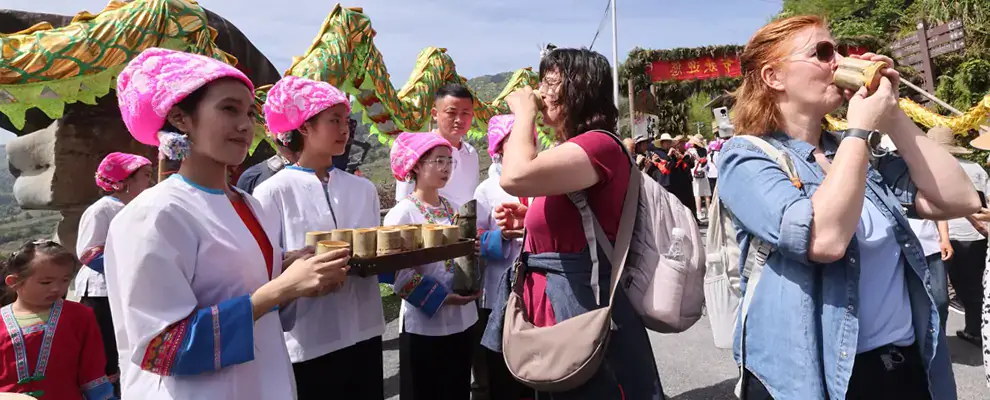
As a passionate traveler who’s wandered through Guilin’s misty karst landscapes and immersed myself in its vibrant heritage, I believe exploring Guilin culture and traditions is essential for any adventurer seeking authentic connections. This isn’t just about sightseeing; it’s about understanding the soul of southern China, where ancient customs blend with modern life. In this article, we’ll dive into five key aspects of Guilin culture and traditions, from savory traditional Guilin noodles to the rich history of Guilin. Whether you’re planning a Guilin trip or a Guilin city tour, these insights will help you appreciate why Guilin’s cultural tapestry is so captivating. For me, discovering the Guilin China culture transformed my travels, making every moment more meaningful.
Introduction to Guilin Culture and Traditions
Guilin, nestled in southern China’s Guangxi region, is renowned for its breathtaking scenery, but its true magic lies in the Guilin culture and traditions that have evolved over centuries. As someone who’s spent weeks there, reflecting on how these elements shape daily life, I see them as bridges to the past. Guilin culture and traditions offer a window into the blending of cultural traditions, influenced by ethnic minorities like the Zhuang and Miao. Why is this important? For travelers like you, it enriches your experience, turning a simple Guilin travel into a profound cultural journey. It’s useful for history buffs, foodies, and families seeking immersive adventures. How to choose better? Prioritize authentic experiences over tourist traps—opt for local guides or small Guilin group tours to truly engage.
This guide focuses on five standout Guilin culture and traditions, drawing from my personal explorations. We’ll cover everything from Guilin’s traditional food to the history of Guilin, ensuring you get practical tips. And remember, for planning, check out our Travel Resources page for curated tools.
Exploring Traditional Guilin Noodles: A Culinary Staple
You step into a bustling street market in Guilin, the aroma of steaming broth wafting through the air— that’s your first encounter with traditional Guilin noodles, a cornerstone of Guilin’s traditional food. These rice noodles, known locally as Guilin mifen, aren’t just a meal; they’re a daily ritual embodying southern culture traditions. Why important? They represent resilience and simplicity in Guilin’s culinary heritage, perfect for budget travelers or anyone craving authentic flavors.
For you, trying traditional Guilin noodles is a must during your Guilin trip. Start by visiting a hole-in-the-wall eatery in the city center—avoid chains for the real deal. How to choose better? Look for spots with fresh toppings like pickled bamboo shoots and spicy chili oil; they’re indicators of quality. I recall my first bowl at a riverside stall: the slippery noodles in tangy soup, paired with local herbs, made me feel connected to Guilin’s farmers who harvest the rice.
The Guilin rice noodle history dates back over 2,000 years, evolving from ancient Han Dynasty techniques. Data from local tourism boards shows over 1 million bowls served annually in Guilin alone, highlighting its popularity. To incorporate this into your itinerary, pair it with a Guilin city tour—eat after exploring the Li River for an energizing boost.
Step-by-Step Guide to Enjoying Traditional Guilin Noodles
You might wonder how to dive in without overwhelming your palate. First, locate a vendor using apps like Dianping for reviews. Second, order a basic version to taste the pure Guilin traditional food essence. Third, customize with add-ons—beef for protein or veggies for lightness. Finally, savor slowly, reflecting on the Guilin rice noodle history as you eat. This approach ensures a memorable, low-pressure experience.
Uncovering Traditional Guilin Clothing: Ethnic Expressions
You wander through a Miao village near Guilin, and suddenly, vibrant embroidered fabrics catch your eye—these are elements of traditional Guilin clothing, a vivid part of Guilin culture and traditions. Influenced by minority groups, these garments feature intricate silver jewelry and colorful patterns symbolizing prosperity. Why does this matter? It preserves cultural identity in a globalizing world, appealing to fashion enthusiasts and cultural explorers.
During your culture trip to Guilin, you should seek out workshops where artisans demonstrate weaving. How to choose better? Opt for ethical sources that support local communities, avoiding mass-produced souvenirs. My standout memory was attending a festival where women in traditional Guilin clothing performed dances—the silver headdresses jingling under the sun, evoking stories of ancestral migrations.
Guilin, China’s history reveals that these styles trace to the Song Dynasty, with over 50 ethnic variations documented in regional museums. A 2023 survey by Guangxi Cultural Bureau noted a 15% rise in tourism interest for such experiences, proving their draw.
Practical Tips for Experiencing Traditional Guilin Clothing
You can start by booking a Guilin cultural show that includes costume try-ons. Step one: Research events via local apps. Step two: Participate respectfully, asking about symbolism. Step three: Purchase a small item like a scarf as a memento. This hands-on method deepens your appreciation for the blending of cultural traditions.
Delving into Guilin, China's History: From Ancient Roots to Modern Legacy
You stand atop a karst peak, gazing at the timeless landscape—this is where Guilin’s history comes alive, intertwined with Guilin culture and traditions. The history of Guilin spans millennia, from prehistoric settlements to imperial strongholds. Why crucial? It explains the harmony between humans and nature, vital for eco-conscious travelers.
For your Guilin travel, prioritize sites like the Reed Flute Cave, etched with ancient inscriptions. How to choose better? Select guided tours with historians over self-exploration for deeper insights. I once hiked Guilin Hill, learning its history as a strategic military point during the Ming Dynasty—the panoramic views made the past feel tangible.
Key data: Archaeological finds show human activity here over 30,000 years ago, per the Chinese Academy of Sciences reports. The history of Guilin includes its role in the Taiping Rebellion, with preserved sites drawing 5 million visitors yearly.
Timeline of Guilin Hill History
You can trace it step-by-step: Begin with prehistoric era caves (visit Elephant Trunk Hill). Move to imperial times (explore Prince Jingjiang’s Mansion). End with modern preservation efforts. This structured approach helps you connect dots in Guilin’s narrative.
Immersing in Guilin Cultural Show: Performances That Captivate
You settle into a theater seat as lights dim, and a Guilin cultural show unfolds—dancers in traditional attire retelling legends through music and movement. This is a highlight of Guilin culture and traditions, showcasing the blending of cultural traditions from Zhuang operas to Miao songs. Why essential? It brings history to life interactively, ideal for families or night owls.
On your Guilin trip, book tickets early for shows like “Impression Liu Sanjie.” How to choose better? Read reviews for authenticity; prefer outdoor venues along the Li River for ambiance. My evening at one such performance was magical—the laser lights on water syncing with folk tunes left me pondering cultural continuity.
Statistics from TripAdvisor indicate 80% of attendees rate these as “must-see,” with origins in ancient rituals documented in the history of Guilin, China.
How to Maximize Your Guilin Cultural Show Experience
You start by checking schedules online. Then, arrive early for prime seats. During the show, note cultural elements like instruments. Afterward, discuss with locals for personal stories. This engages all senses in Southern culture traditions.
Tracing the History of Guilin: Ethnic Blends and Scenic Wonders
You cruise the Li River, karsts rising like ancient guardians—this scene encapsulates the history of Guilin, a fusion of natural beauty and human ingenuity. Guilin culture and traditions thrive here, with ethnic minorities shaping festivals and crafts. Why valuable? It fosters tolerance and inspiration, useful for solo travelers seeking reflection.
Incorporate this into a Guilin group tour for shared insights. How to choose better? Pick eco-friendly operators certified by local authorities. Reflecting on my boat ride, I learned how the history of Guilin influenced rice terrace designs—the terraced fields, over 600 years old, symbolize sustainable living.
A UNESCO report highlights Guilin’s landscape as a World Heritage site since 2014, with 20 million annual visitors exploring its cultural depths.
Case Study: A Traveler's Journey Through the History of Guilin
You might follow my path: Day one, visit ancient tombs for prehistoric vibes. Day two, join a minority village tour. A real example—a friend from Singapore extended her stay after discovering Miao embroidery, turning a casual visit into a craft workshop enrollment. This illustrates how the history of Guilin sparks lasting interests.
Conclusion: Embrace Guilin Culture and Traditions for Unforgettable Travels
Reflecting on these five Guilin culture and traditions—from slurping traditional Guilin noodles to witnessing a Guilin cultural show—I’ve realized they’re not relics but living threads weaving personal growth. As a blogger at gotravelyit.com, my purpose is to share these insights to inspire thoughtful journeys. For you, they’re gateways to meaningful connections, especially if you’re in the discovery phase of planning.
Why important? They enrich lives beyond photos, fostering empathy. Useful for curious minds worldwide. To choose better, blend them with practical steps: Book a flight via reliable platforms, secure a guilin hotel with cultural views, and grab your Ticket to the scenic area in advance. Dive deeper with our Travel Resources—your next Guilin adventure awaits, filled with wonder and tradition.