Longsheng Attractions
Discover the Lonsheng Rice Terraces, where you can explore incredible rice terraces, visit authentic ethnic minority tribe villages, and enjoy spectacular scenery.
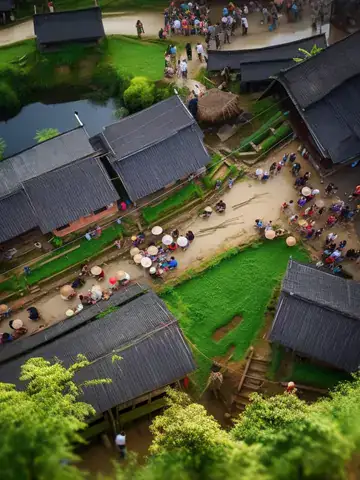
Discover Longsheng County, a premier Guilin escape about two hours northwest of the city, famous for the Longsheng rice terraces of China, peaceful Yao and Zhuang villages, and the soothing hot springs that make long hikes more enjoyable. Each season creates a unique atmosphere, from flooded spring fields to golden autumn harvests. Visiting on weekdays helps you avoid crowds, capture better photos, and enjoy the scenery at your own pace. Trails are clearly marked, and local guides can enhance your experience with cultural and historical insights. Booking a nearby Longsheng rice terrace hotel adds convenience, allowing you to focus on photography, hiking, and authentic village life. With options for families, solo travelers, and photography enthusiasts, you can combine scenic exploration with cultural stops, local cuisine, and immersive experiences. Use Travel Resources for up-to-date maps, transport tips, and insider guidance to plan your trip efficiently.

Longsheng Attractions waiting for you to discover are:Longji Rice Terraces,Ping an Village,Longji Zhuang Village,Jinkeng Rice Terraces,Dazhai Village,Tiantouzhai Village,Longsheng Hot Springs
Longsheng At A Glance
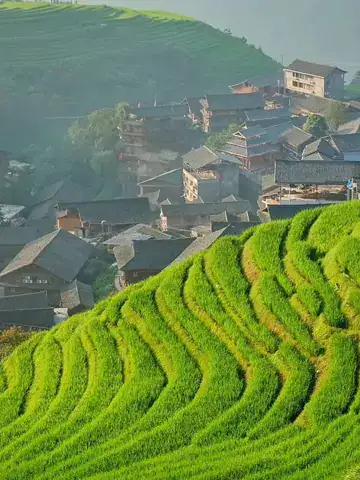
Located two hours northwest of Guilin, Longsheng is famed for the stunning Longji (Dragon’s Backbone) Rice Terraces, also known as the Longsheng Rice Terraces. Nearby, authentic Yao and Zhuang minority villages await, offering immersive cultural experiences and natural hot springs to soothe your muscles after hiking the winding trails that reveal seasonal wonders like mirror-like spring floods or golden autumn harvests.
Where to go in Longsheng?
Start with the Ping’an Zhuang Village Terraces, the most accessible, offering iconic views like the “Seven Stars Around the Moon.” For a deeper immersion, head to Dazhai’s JinKeng Terraces, where cable cars lead to panoramas of the “Thousand-Layer Cake.” Tiantouzhai village provides the most peaceful sunrise spots. Don’t just see the scenery; stay overnight in a wooden guesthouse in Huangluo Yao Village, home to women who grow hair several feet long. Finally, unwind at the Longsheng Hot Springs, nestled right in the forest.
When to visit Longsheng?
Each season paints the Longsheng terraces differently. Spring (April-May) brings mirror-like flooded fields. Summer (June-August) turns the slopes into a vivid sea of green rice shoots. Autumn (September-October) delivers golden harvest views, while Winter (November-February) may add frost or snow for a quiet, dramatic finish. Weekends and Chinese public holidays are busy, so weekdays give hikers, photographers, and first-time visitors a calmer trip with better light, fewer crowds, and more time to enjoy nearby villages, hot springs, and trail views.
What to pack?
Your footwear is crucial. Pack sturdy hiking shoes or boots with good grip for stone and dirt paths, which get slippery when wet. Dress in layers—mornings can be cool in the mountains, but you’ll warm up quickly hiking under the sun. A rain jacket is wise year-round. Bring a small backpack for water, snacks, and an extra layer. If you’re staying in a village guesthouse, consider a small flashlight and your own toiletries.
How to get around?
The most flexible way to explore Longsheng rice terrace, China, is to hire a private car from Guilin, giving you control over your schedule between Ping’an, Dazhai, and other village entrances. Shared tourist buses connect Guilin to the terrace areas, but once there, local shuttles or walking are needed to move between viewpoints. Be ready for winding mountain roads and significant hiking along stone staircases that link panoramic spots. Porters at entrances can carry your luggage to village lodges, making your visit easier. Planning this way lets you capture the best photos, manage your energy, enjoy quieter trails, and fully experience longsheng guilin guangxi china at your own pace while avoiding crowded tours, rigid schedules, and unnecessary backtracking between viewpoints.