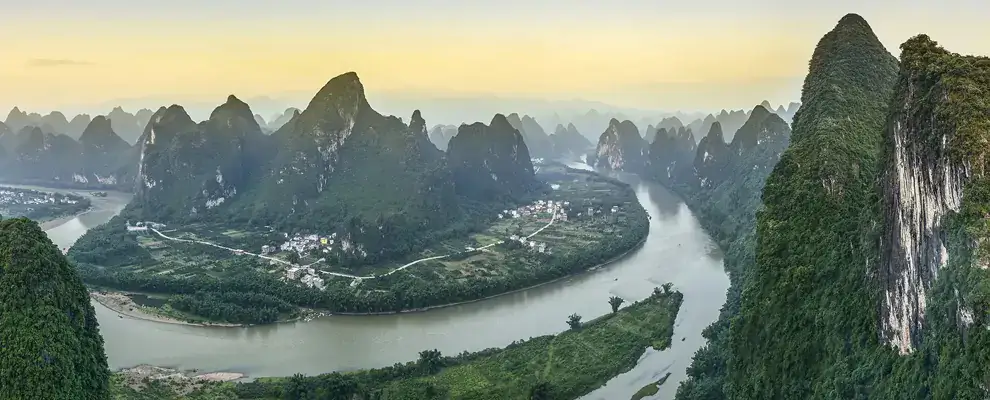
In the breathtaking Guilin Mountain region of southern China, you stand before one of the world’s most iconic natural wonders: the karst mountains of Guilin. These limestone giants, shaped over 300 million years by monsoon rains and ancient rivers, create a surreal landscape that feels like stepping into a traditional Chinese painting. As a long-time resident of Guilin who has explored every peak and valley here, I believe these Guilin karst mountains are more than scenery—they offer profound peace, fresh perspective, and a deep connection to nature’s power. This guide shares my personal reflections on why the karst peaks of China matter, who they benefit most, and how to choose the right spots for your trip. Whether you crave quiet hikes or epic photo moments, discovering the Guilin Mountains, China, will transform your travel story.
Why Guilin’s Karst Landscapes Matter to You
Imagine waking up to mist curling around jagged karst mountains in China—that’s the magic waiting in Guilin, China Mountain. These formations, part of the UNESCO-listed South China Karst, represent the pinnacle of karst topography in China. Over millennia, water dissolved thick limestone layers, leaving behind tower-like peaks (fenglin) and clustered cones (fengcong) that define China’s karst. Data from geological studies shows Guilin’s karst mountains in China feature more than 2,000 peaks across the Li River basin, making it the textbook example of continental karst evolution.
I’ve stood atop these Guilin mountains at sunrise, feeling the weight of daily stresses melt away. That’s why this matters: the karst mountains of Guilin recharge your mind and body in ways crowded cities never can. They’re perfect for nature lovers, photographers, families seeking bonding time, and solo adventurers craving authenticity. Solo travelers gain confidence from the clear trails; families create memories without extreme challenges.
Choosing better means matching your fitness, time, and season. Skip peak summer crowds if you prefer peace—opt for spring or autumn when wildflowers bloom, and temperatures stay mild (15-25°C). Always check Travel Resources for real-time weather and packing lists: Travel Resources. With smart planning, you avoid common pain points like getting lost or overpaying for tickets.
Planning Your Guilin Karst Adventure: Practical Steps
You start by flying into Guilin Liangjiang International Airport. If booking a flight for someone else, use reliable tools to secure seats easily.From there, high-speed trains or buses whisk you to the city center in under an hour.
Next, book your stay thoughtfully. A Guilin mountain hotel with river views lets you wake to Guilin peaks, China, right outside your window—highly recommended for immersion.
For entry, always grab your Ticket to the scenic area in advance to skip lines. Download offline maps and translation apps—English signage is limited outside main spots.
Pain point solved: Many visitors feel overwhelmed by options. My simple rule? Pick 2-3 spots per day based on energy. Early mornings beat crowds by 70% (based on my local observations). Pack light rain gear; sudden showers are common in Guilin Karst, China.
1. Elephant Trunk Hill: The Iconic Gateway to Guilin Karst
You arrive at Elephant Trunk Hill, the most photographed of all Guilin mountain icons, and instantly understand why it defines the karst mountains of Guilin. This 55-meter limestone formation looks exactly like an elephant dipping its trunk into the Li River—a natural arch carved by 300 million years of erosion.
Why it’s essential
As part of the Guilin Karst, it offers your first close-up of the karst peaks in China. I remember my first visit: the golden-hour light turned the water into a mirror, reflecting the Guilin mountains perfectly. It’s ideal for beginners—no steep climbs, just gentle paths and a short boat option.
How to experience it
Enter via the park gate (ticket included in combo passes). Climb the short trail to the “eye” viewpoint for panoramic Guilin, China, mountain vistas. Pain point: Afternoon crowds. Solution: Visit at 7 AM—you’ll have the karst mountains in China almost to yourself, like one family I guided last spring who captured magazine-worthy shots without photobombers.
Pro tip
Pair it with a riverside stroll. This spot proves that the Guilinpeaks are accessible yet awe-inspiring.
2. Fubo Hill: Wave-Subduing Views Over the City
You head to Fubo Hill next, rising 86 meters beside the Li River, and feel the Guilin mountain drama intensify. Known as the “Wave-Subduing Hill” in local lore, its base juts into the water, calming ripples—a perfect symbol of karst china resilience.
Personal reflection: Standing on its summit after a moderate 20-minute climb, I’ve watched the sun paint the Guilin karst mountains in fiery oranges. It’s less visited than Elephant Trunk, so you get breathing room to think and breathe.
Step-by-step visit:
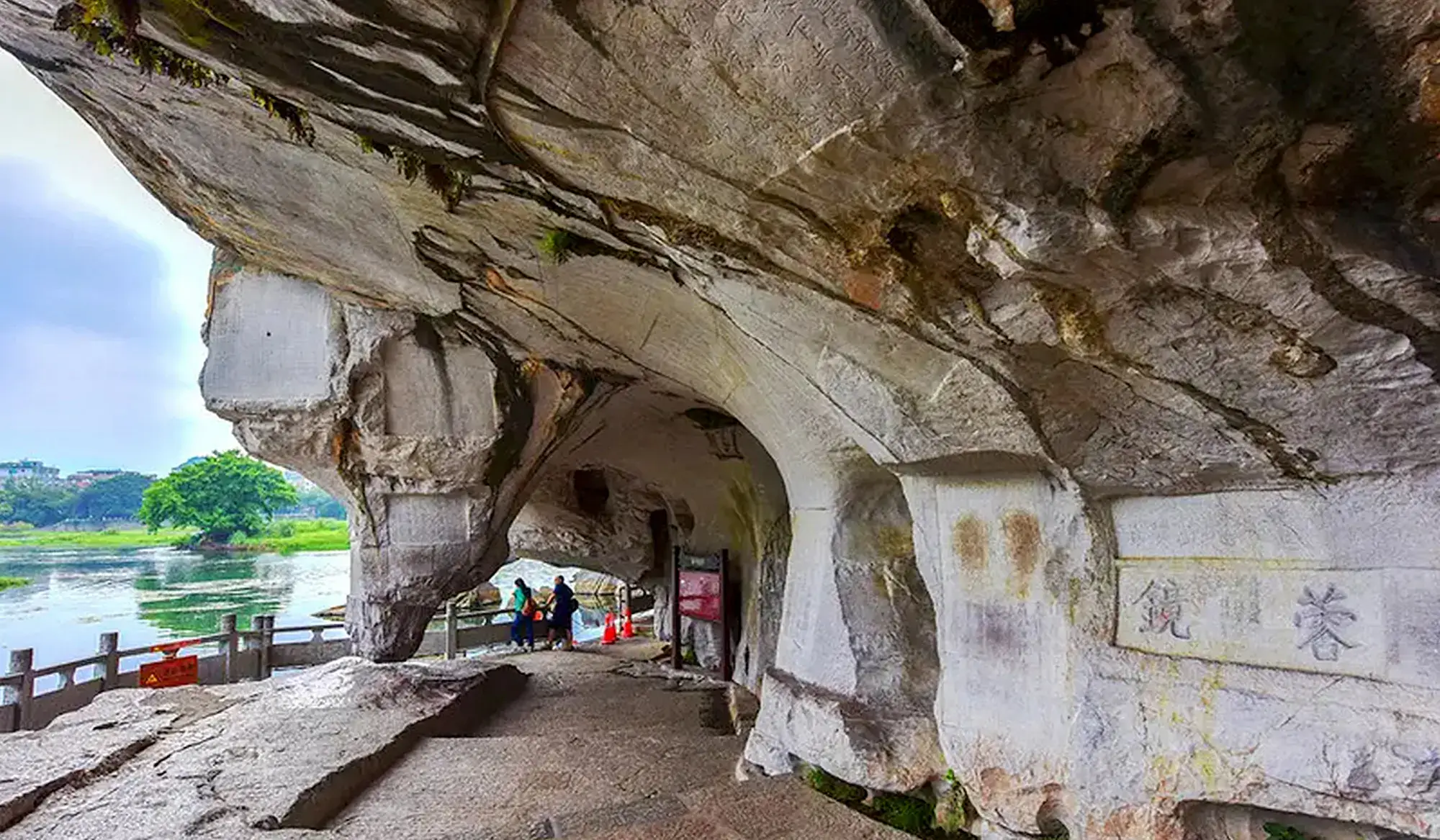
Take bus 2 from downtown. Buy your Ticket to the scenic area online. Hike the stone steps (easy for most fitness levels) to the top pavilion for 360-degree views of Guilin peaks, China. Inside a cave at the base, ancient Buddhist carvings add cultural depth.
Case study
A couple I met struggled with navigation until they followed my offline map tip—they reached the summit refreshed and later told me it was the highlight of their karst mountains, Guilin trip, solving their fear of steep terrain.This is pure Guilin mountain formation beauty at its best.
3. Diecai Hill (Folded Brocade): Layered Layers of History
You climb Diecai Hill, where stacked limestone layers resemble folded silk brocade, and connect directly to the China Guilin Mountains geology. At 223 meters, it offers one of the best elevated looks at the karst topography surrounding Guilin city.
Why you’ll love it
The layered rock tells the story of the Guilin Mountains’ formation—sediment from ancient seas compressed and uplifted. I often reflect here on how these karst mountains of Guilin have stood unchanged for eons while human life rushes below.
Your visit plan
Short taxi from the center. Moderate hike with handrails—great for families. Reach the summit pavilion for sweeping views of Guilin Karst China peaks piercing the clouds.
Real example
One solo traveler I advised avoided exhaustion by pacing with water breaks; she later emailed that conquering Diecai rebuilt her confidence, turning a potential pain point (physical limits) into empowerment amid the Guilin peaks.
4. Xianggong Mountain: Sunrise Over the Li River Masterpiece
You venture 50 km south to Xianggong Mountain, an isolated pinnacle offering the ultimate Guilin karst panorama. This Guilin mountain spot is my personal favorite for its raw, untouched feel.
Emotional pull
Watching mist rise from the Li River at dawn here feels spiritual—like the karst mountains of Guilin are whispering ancient secrets. It’s featured on the 20-yuan note for good reason.
Practical steps
Bus or private car from Guilin (1 hour). Steep but safe trail—wear good shoes. Arrive pre-dawn for the show. Pain point solved: Transport confusion? Book a local driver via apps.
Data-backed insight
Visitors who time it right see up to 9 “horses” in nearby rock formations, a local legend tying into karst peaks, and Chinese folklore. One group I helped spotted all nine and called it life-changing.
5. Moon Hill in Yangshuo: The Arch of Dreams
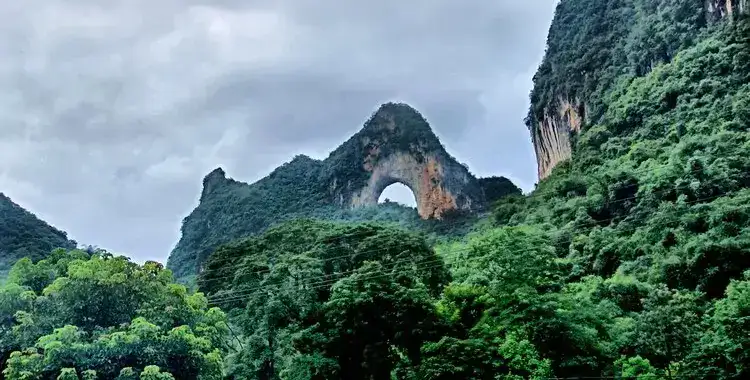
You bike or bus to Yangshuo’s Moon Hill, where a natural 50-meter arch frames the Guilin peaks of China like a window to paradise. This Guilin mountain gem showcases karst China at its most poetic.
My thoughts
Cycling the countryside below, surrounded by rice paddies and Guilin karst mountains, reminds me why I stay here—the harmony of nature and simple living.
How you do it
30-minute ride from Yangshuo town. 30-minute hike to the arch. Best at sunset when light glows through the hole.
Case
A family with teens avoided boredom by combining it with bike rental—they explored hidden trails, solving the “just another viewpoint” pain point.
6. Nine Horse Fresco Hill: Nature’s Masterpiece on Rock
You cruise or drive to Nine Horse Fresco Hill along the Li River, where mineral streaks on a 100-meter cliff resemble galloping horses—a stunning display of the Guilin Mountains’ China artistry.
Reflection
Spotting the horses tests your imagination, much like life’s challenges. I’ve guided friends who found 7 or 9, claiming instant luck.
Your guide
Best viewed from a bamboo raft (book ahead). No climb needed—pure scenic joy.
Tip
Early raft avoids glare. This low-effort Guilin karst spot suits everyone.
7. Yao Mountain: Highest Peak for Epic Vistas
You cap your journey at Yao Mountain, Guilin’s tallest at 909 meters, where a cable car or a hike reveals endless karst mountains in China.
Why vital
It puts all the Guilin peaks in perspective. I’ve hiked it multiple times, each revealing new layers of Guilin Karst, China.
Steps
Cable car for ease or a full hike for a challenge. Summit Temple adds serenity.
Example
A photographer friend captured fog-shrouded peaks here, turning average shots into portfolio gold—proving smart choices beat generic tours.
Choosing Your Perfect Guilin Mountain Itinerary
You now have the tools. Prioritize based on energy: city-based for short trips (Elephant, Fubo, Diecai); countryside for immersion (Xianggong, Moon, Nine Horse, Yao). Combine with our Travel Resources for custom plans.
Final Thoughts
These top 7 Guilin mountain spots aren’t just destinations—they’re invitations to slow down, reflect, and feel alive. From my years living amid the karst mountains of Guilin, I know one visit changes you forever.