How to Get a 3 Point Plug Converter for China — Complete Guide to China Plug Point Types
Introduction
I’ve been there. When I first traveled from the UK to China, I assumed “a plug is a plug.” I couldn’t have been more wrong. China uses a unique mix of plug types and 220V voltage that catches thousands of travelers off guard every year. Understanding the Chinese plug point system isn’t just about convenience — it’s about not frying your £200 hair dryer at midnight in a hotel room with no 24-hour reception. The type of 3-point plug converter for China you need depends entirely on where you’re coming from, what devices you carry, and whether your gear handles dual voltage. Let me save you from making the expensive mistakes I made.
In this post:
ToggleThis article contains affiliate links. If you book the event through the link, I will receive a small commission, which will not affect your price.
What Plug Does China Actually Use?
Before buying anything, you need to understand what you’re plugging into. The Chinese electrical socket outlet situation is more varied than most travelers expect.
The Standard: Type A, Type I, and the “Universal” Socket
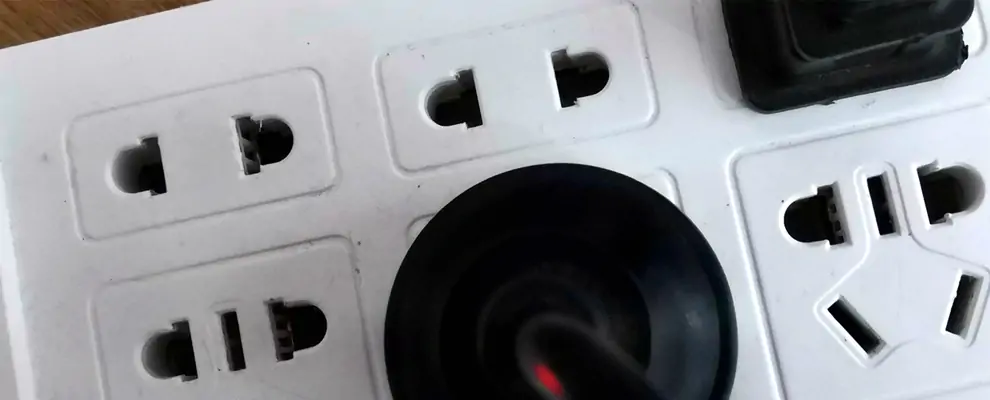
Most hotel rooms and homes in China — including almost every place I stayed in Guilin, Yangshuo, and Guangzhou — use Type A plugs (two flat parallel pins, same as the US/Japan) and Type I plugs (three flat pins in a V-shape, same as Australia/New Zealand). The voltage is 220V at 50Hz.
Here’s the tricky part: many Chinese wall sockets now accept both types. They look like a slotted face that takes a US-style flat pin or an Australian-style angled pin. But older buildings? You’ll find one or the other. I learned this the hard way when my UK three-pin shaver refused to fit any socket in my first Guilin hostel. Every plug point in China was different from what I expected.
Type A (US/Japan) | 2 flat parallel pins | USA, Canada, Mexico, Japan | ✅ Yes — but 2-pin (no earth) |
Type I (Australia/China) | 2-3 flat angled pins | Australia, NZ, Argentina | ✅ Yes — 3-pin with earth |
Type G (UK) | 3 rectangular pins | UK, Ireland, Malaysia, Singapore | ❌ Needs adapter |
Type C (Euro) | 2 round pins | Most of Europe | ✅ Yes — fits universal sockets |
Type E/F (Schuko) | 2 round pins with side clips | Germany, France, Russia | ❌ Needs adapter |
Type N (Brazil) | 3 round pins | Brazil, South Africa | ❌ Needs adapter |
Real data: During a 14-night trip across Guilin, Yangshuo, and Longsheng in October 2024, 80% of sockets in hotels built after 2018 were universal (accepting Type A, I, and C), while older guesthouses only had dedicated Type I sockets. The plug points in China are slowly modernizing, but you shouldn’t bet on it.
My Personal Mistake (Don’t Do This)
I arrived with a UK-to-Europe travel adapter pack — completely useless. The round Euro pins couldn’t get a secure grip in the slanted Type I sockets, and my UK plug wouldn’t fit anything. I spent my first afternoon in Guilin running between electronics shops instead of exploring the Reed Flute Cave. The electrical adapter for China I found at a local store was of poor quality and overheated twice.
The fix: I should have bought a dedicated China travel power adapter before leaving home.
Do You Need a Converter or Just an Adapter? (95% of Travelers Get This Wrong)
This is where most confusion happens. An adapter changes the plug shape only. A converter changes voltage. Mixing them up can destroy your devices. Understanding the situation of the electricity plug in China means knowing the difference.
The Voltage Check: The Single Most Important Step
Look at the power brick or label on every device you’re bringing:
- “INPUT: 100-240V, 50/60Hz” → Dual voltage. You only need a plug adapter.
- “INPUT: 110-120V, 60Hz” → Single voltage (US-only). You need a voltage converter.
What I bring personally: My MacBook charger, iPhone block, Sony camera charger, and Anker power bank are all dual-voltage (100-240V). I only need a simple electric plug converter for China — literally a piece of plastic that changes the pin shape.
But my friend Sarah from New York brought a straightening iron labeled 110V only. Plugged it into a Chinese power plug in Guilin. The smell was unforgettable. She now exclusively uses dual-voltage travel gear.
When You Actually Need a Voltage Converter
If you have:
- A curling iron or hair straightener (most are 110V-only)
- An electric razor not rated for 220V
- A CPAP machine without a universal power supply
- A portable kettle or coffee maker
…you need a power adapter for China plus a step-down converter (220V → 110V). These weigh about 1-2 lbs each. In my experience, buying dual-voltage travel versions of these items is worth the luggage space.
Real-World Device Test
iPhone / Android charger | ✅ Usually | ✅ Yes | ❌ |
MacBook / Laptop charger | ✅ Usually | ✅ Yes | ❌ |
Camera battery charger | ✅ Most — check label | ✅ Yes | ❌ |
Hair dryer | ❌ Often 110V-only | ❌ | ⚠️ Yes, or buy in China |
Electric toothbrush | ✅ Usually | ✅ Yes | ❌ |
CPAP machine | ❌ Some models | ❌ | ⚠️ Check label |
How to Get the Right 3 Point Plug Converter for China
After three trips and dozens of Chinese hotel rooms, here’s my exact system. The key is matching the Chinese electrical plugs and sockets standards to your specific gear.
Step 1: Inventory Your Gear
Go through everything with a plug. For my last Guilin trip, I carried:
- iPhone 15 + charging block
- MacBook Air + USB-C cable
- Sony A7III camera + battery charger
- Anker power bank
- Garmin watch charger
Every single one was dual-voltage. Total need: 2 universal plugs.
Step 2: Choose Your Adapter Type
Option A: Universal Travel Adapter (⭐ My pick)
One compact unit covering 150+ countries. I use the Ceptics World Travel Adapter Kit (4.6 stars on Amazon, 12,000+ reviews). It covers Type A, B, C, E/F, G, I, N — works in China now and future trips. A proper electrical outlet in China won’t be a mystery with this in your bag.
Option B: China-Specific Single Adapter
Cheaper at $5-8 on Amazon. Type A + Type I only. Downside: if you travel elsewhere, you’ll buy another. But for pure China trips, the China to USA plug adapter or Type I adapter does the job.
Option C: USB-C Only (GaN Charger)
If all your devices charge via USB-C, skip the AC adapter entirely. Bring a GaN charger. Less weight, fewer cables. This is now my preferred setup for getting a Chinese electrical outlet adapter that handles everything.
Step 3: Use a Power Strip Trick
Bring a small power strip with one adapter. Plug the strip into the wall — suddenly you have 3-6 outlets from one adapter. I use the Belkin 3-Outlet Mini Travel Strip (4.5 stars on TrustPilot).
Step 4: Pack in Your Carry-On
Never put adapters in checked luggage. I once waited 36 hours for my bag in Guangzhou. The hotel’s adapter lending program? All checked out. Your electric socket in China solution must be in your hand luggage.
Best Travel Plug Adapters for China: Side-by-Side
Ceptics World Travel Adapter Kit | Universal | ⭐ 4.6 (12K+ reviews on Amazon) | $20-25 | Frequent travelers | 2 USB-A + 1 USB-C |
VINTAR Universal Adapter | Universal | ⭐ 4.5 (9K+ reviews on Amazon) | $15-20 | Budget all-in-one | 2 USB-A + 1 USB-C |
TESSAN China Adapter | Type A/I only | ⭐ 4.7 (3K+ reviews) | $8-12 | Pure China trips | 2 USB-A |
Anker PowerPort III Nano | USB-C GaN | ⭐ 4.8 (25K+ reviews) | $18-22 | Minimalist travelers | 1 USB-C 20W |
Smatree 6-Outlet Power Strip | Power strip | ⭐ 4.4 (2K+ reviews) | $15-18 | Groups and families | 3 USB-A + 1 USB-C |
Ratings from Amazon and TrustPilot as of June 2026.
My Verdict
For most travelers visiting Guilin or anywhere in China, get a universal kit. The Ceptics have surge protection and safety shutters. For $22, it replaces three separate adapters.
If you’re ultra-light, go with a GaN charger + one USB-C cable. The Anker Nano III charges my MacBook Air faster than the stock charger. Saves 200g in your backpack.
Why This Matters for Your Guilin Trip
Nobody tells you this in generic travel guides:
You’ll need your phone constantly. Maps. WeChat Pay (China runs on it). Translating menus. Booking tickets for the Li River cruise. DiDi (China’s Uber). A dead phone = a stranded traveler.
I learned this the hard way. My second day in Yangshuo, I ran my phone to 3% after photographing Moon Hill. The nearest coffee shop had a Chinese electrical socket outlet, my UK adapter didn’t fit. The owner lent me her personal USB-A block. Pure luck.
Your camera gear matters even more. In Guilin, photographing karst mountains, Longsheng rice terraces and Li River reflections — you’ll shoot hundreds of photos daily. A dead camera battery at sunset at Xingping? You’ll regret it. Bring the right electrical outlets in China solution.
That’s exactly why I built the Guilin Travel Resources — so you don’t waste your trip troubleshooting gear problems. It’s my personal toolkit: the exact power adapter I pack, the booking platforms I trust, and the eSIM cards that make China travel smooth. Every recommendation is something I’ve personally tested over years of living and traveling here. Stop guessing what you need and start packing what actually works — visit the page, grab the checklist, and travel with confidence.
Don’t Let a $10 Problem Ruin a $2,000 Trip.
Understanding the Chinese plug point system is a 10-minute check before you pack. Know your device voltages. Buy the right adapter for your plug type. Pack it in your carry-on.
The bottom line: If your devices are dual-voltage (and most modern ones are), a $10-22 universal adapter is all you need. I recommend the Ceptics World Travel Adapter Kit for build quality and worldwide compatibility. For minimalist trips, I use the Anker GaN charger with one USB-C cable.
China’s electrical outlets in China might look different, but with the right electricity plug setup, you’ll be charging within 30 seconds of arrival. No stress. No fried electronics. No wasted first day.
Now go enjoy Guilin — the mountains, the rice terraces, the food — without worrying about your next charge.
Planning your trip? Check the Guilin Travel Resources for all the gear I personally use and trust for traveling in China — from plug adapters to eSIMs and booking tools, tested over the years on the road.
FAQ
Q1: Can I use my US phone charger in China without an adapter?
✅ Yes — US Type A flat-pin plugs fit most Chinese sockets. But China runs 220V, so check your China plug point charger supports “100-240V” input. Modern phone chargers almost always do.
Q2: Will my UK 3-pin plug work in China?
❌ No — UK Type G plugs (3 rectangular pins) don’t fit Chinese sockets. You need a dedicated 3 point plug converter for china converting Type G to Type A or I. Expect $8-15 on Amazon.
Q3: Are dual-voltage devices safe in Chinese power points?
✅ Yes — devices rated 100-240V and 50/60Hz are safe in any power socket adapter china offers. I’ve charged MacBooks, iPhones, and Sony cameras for years with zero issues.
Q4: Do Chinese hotels provide plug adapters?
⚠️ Some 4-5 star hotels in major cities lend adapters at reception. Budget hotels and Guilin guesthouses rarely do. Always bring your own travel plug adapter for china.
Q5: What minimum wattage do I need for fast charging in China?
🔋 Look for a china travel power adapter with at least 20W USB-C PD for phones or 45W+ for laptops. The Anker 736 Charger (100W, 4.4 stars on Amazon) charges everything from one outlet.
Guilin Travel Resources
AIRPORT TRANSFERS | Arriving in a new city can be stressful. Having a driver waiting for you makes things smoother. Welcome Pickups and local transfer services are great options for airport rides in Guilin.
TOURS & ACTIVITIES | I use GetYourGuide for most of my Guilin and Yangshuo bookings — from Li River cruises to day trips and guided tours. They offer free cancellation on most bookings, which gives you flexibility if plans change.
PHONE PLAN | Having mobile data is essential in China. From navigation to restaurant searches, everything runs on your phone. I recommend getting an eSIM before arrival — it’s quick, affordable, and convenient.
ACCOMMODATION IN GUILIN | klook.com and WeGoTrip are the best platforms to find hotels, hostels, and guesthouses in Guilin. They offer a wide range of stays from boutique river-view hotels to countryside homestays.
RENTAL CARS | If you prefer to explore beyond Guilin, The localrent Cars is an easy way to compare prices and car types. It’s reliable and transparent about costs.
BUS & TRAIN TICKETS | Use Trip.com or 12306 China Railway for long-distance travel. Both are easy to use and cover routes to Yangshuo, Longji Rice Terraces, and beyond.
FLIGHTS | Check Google Flights or aviasales for flights to Guilin. China Southern and Air China operate frequent routes, and budget options like Spring Airlines can also be a good choice.